
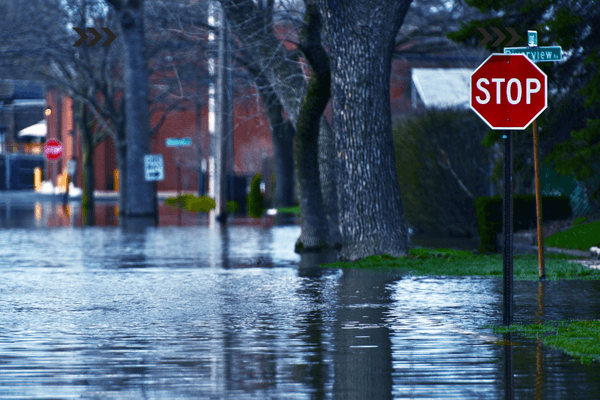
 Stormy conditions are expected to continue across Western Washington for the next few days, with more heavy rain and the potential for high winds. These conditions may cause more flooding, road closures, downed trees, and power outages, which may make it difficult to get to your dialysis appointment. Your safety comes first – if you can’t safely get to your clinic, here’s what to do:
Follow your emergency diet plan
If you miss a treatment, it’s important to limit foods and fluids to reduce strain on your kidneys. We’ve put together an emergency diet plan, which includes:
- A shopping list for shelf-stable, kidney-friendly foods
- Meal and snack ideas for 3–5 days
- Tips for staying safe until you can dialyze again
Stay in touch with your clinic
Call your dialysis center as soon as possible to let them know you can’t make it. They can help reschedule your treatment – either at a different time or day, or at another NKC clinic if needed. They can also advise you on what to do until you are able to make it to your next session.
Prepare for power outages
Keep extra supplies like bottled water, low-sodium canned foods, and medications in a safe place. If you use a home dialysis machine, make sure you have a backup power source or a plan in case of an outage.
Financial help is available
The American Kidney Fund has activated its Disaster Relief Program to help dialysis and recent transplant patients affected by flooding in Washington. Emergency grants of $250 are available for patients in impacted counties to replace medicines, kidney-friendly foods, and cover housing or transportation costs. To apply, contact your Northwest Kidney Centers social worker.